AI Animated Short Film: From Script to Finished Scenes
An AI animated short film is built from short clips rather than one long render: you write a script, split it into scenes and generate each one on MarketVideo with the same hero.
Animate your first sceneReady in minutes · Free templates every day
One good shot is not a film yet. Viewers need to recognize the character in the second scene, the fifth and the last: same face, same outfit, same way of moving. Below is which models suit animation, how to hold a character steady between scenes, how to describe a style from hand-drawn to clay, and how to turn a script into a shot list.
Pick a model that animates well
Cartoon physics is the test. A drawn hero can stretch, bounce and leap higher than their own height, and a good model keeps that exaggeration instead of pulling the body back to real anatomy. On Create video, Seedance 2.0 drives the cartoon templates in the grid, while Kling 3.0 handles multi-shot scenes. Split the roles: lively stunts on one model, quiet beats on another, then compare.
Keep one hero across every scene
Lock the character with a picture first. Attach the same reference image to every new scene on Create video, so the backdrop and action change while face, hair and clothes stay put. Back it up in words: repeat the same three or four traits verbatim each time, such as hair color, one clothing detail and age. Daughter Gives Dad a Makeover works this way, with a separate reference photo for each of its two characters.
Name the style by its features
Asking for a cartoon look tells a model almost nothing, because dozens of styles exist and each has its own signs. Soft 3D animation means big eyes, gentle light and rounded shapes. Classic hand-drawn means clean outlines, flat fills and a small palette. Clay means visible material texture and a slight jitter between frames. List the signs rather than a studio name and the look becomes predictable.
Turn the script into a shot list
Break the script into short beats with one action each: the hero walks in, notices something, runs. Write a separate prompt per beat and state the framing, wide, medium or close. Alternating framings is what turns a pile of clips into a film. The cartoon templates here follow the same idea, with fast pacing and frequent cuts written into their prompts. Join the finished clips in whatever video editor you already use.
What you get and where the limits are
Expect one short clip per run; the cartoon templates in the grid last 10 or 15 seconds. A longer film is assembled from such clips rather than rendered in one piece. These templates ask for no speech, and the site does not generate voices or music, so dialogue and score are added outside MarketVideo. Results vary between runs, so plan a few attempts for the key scenes.
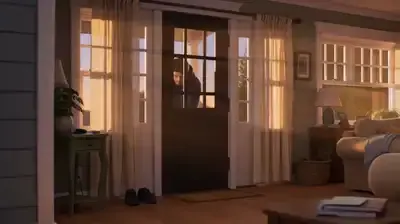
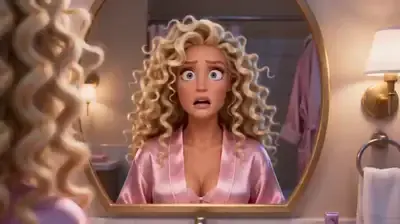
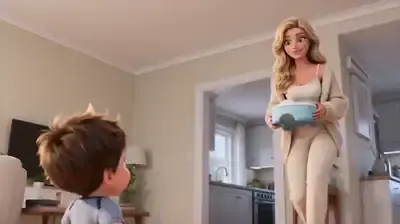
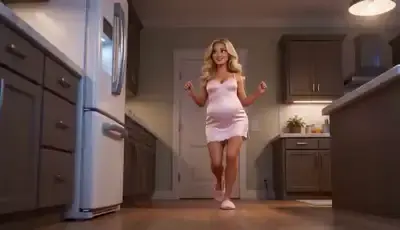
Ready-made templates

FAQ
Why does my character look different in each scene?
Each run starts from zero, and the model remembers nothing from the previous scene. Feed it the same reference picture every time and copy the same short description of the hero word for word into each prompt; with both fixed, drift becomes much less likely.
Can I make a film longer than one clip?
Yes, by building it from separate scenes. Generate each beat as its own clip, keep the hero reference identical, then line the clips up in a video editor. A minute of screen time takes several scenes, and the total length is up to you.
Can the characters talk?
MarketVideo makes no voices, and the cartoon templates here are written without speech. Tell the story through action and expression, or record dialogue yourself. LTX-2.3 LipSync on Create video can sync a portrait to a recording you upload.
Whose photos can I use for the hero?
Your own, or pictures of people who gave their consent. Kids appear only in stories about your own family, and celebrities or other studios' characters are off the table. The heroes here come from your uploads, not from any franchise.
How is a short film paid for?
Stars cover it scene by scene. Confirming your email at registration adds five of them, and some templates cost nothing on the day they are marked Free today, up to a daily cap. Every card and model shows its price ahead of the run; once the balance is spent, top up through Pricing.