AI Image Generator Comparison: Pick a Model by Task
An AI image generator comparison helps most when it starts from your task instead of a leaderboard. The Create photo page on MarketVideo offers five models, and each has a kind of job it handles best.
Compare photo modelsReady in minutes · Free templates every day
Two questions sort them fast: what goes in (a finished photo, several reference pictures or just words) and what must come out (the same shot with one change, a busy scene with lettering, or a recognizable art technique). The sections below match each case to a model.
You have the photo and need one change
Here the model has to leave everything else alone: the face, the room, the light. This is where the NanoBanana line shines: version 2.1 and the PRO edition are the careful editors, and both accept extra reference pictures next to the one you fix, so you can show the look you want. PRO spends more stars per run, and in return fine texture such as fabric, hair or brickwork survives the edit.
Several objects in one frame, plus words
A composite scene tests a different skill: keeping a list straight. A package beside a coffee cup, three items in a row, a banner with a headline all go to GPT Image 2.5, whose lettering usually comes out as real letters instead of squiggles. It takes many input images at once, so every object can arrive as its own file.
When the technique matters more than likeness
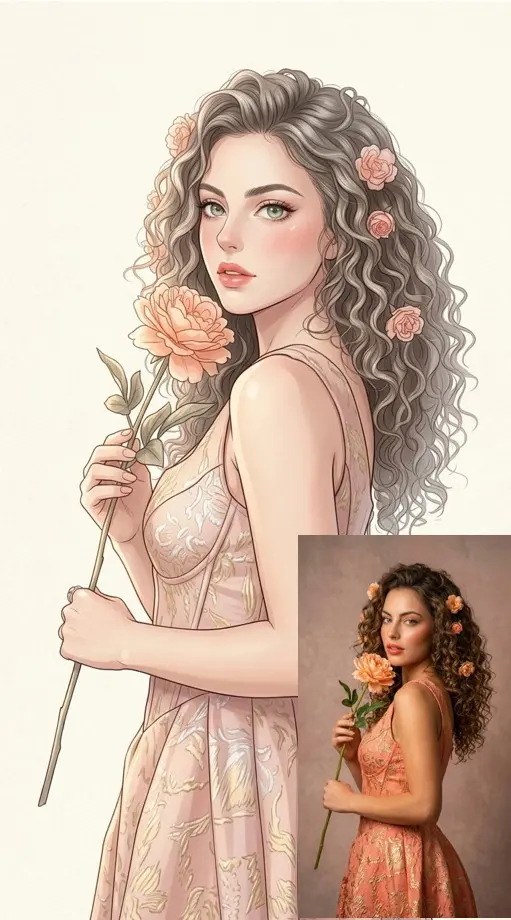
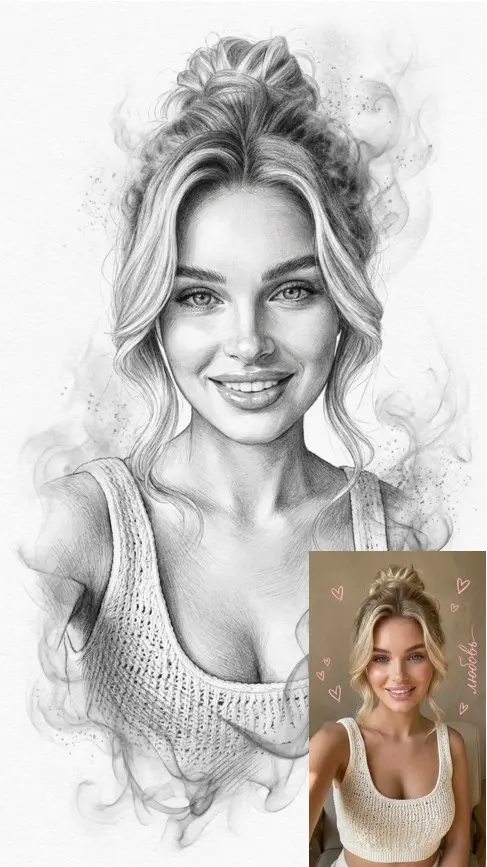
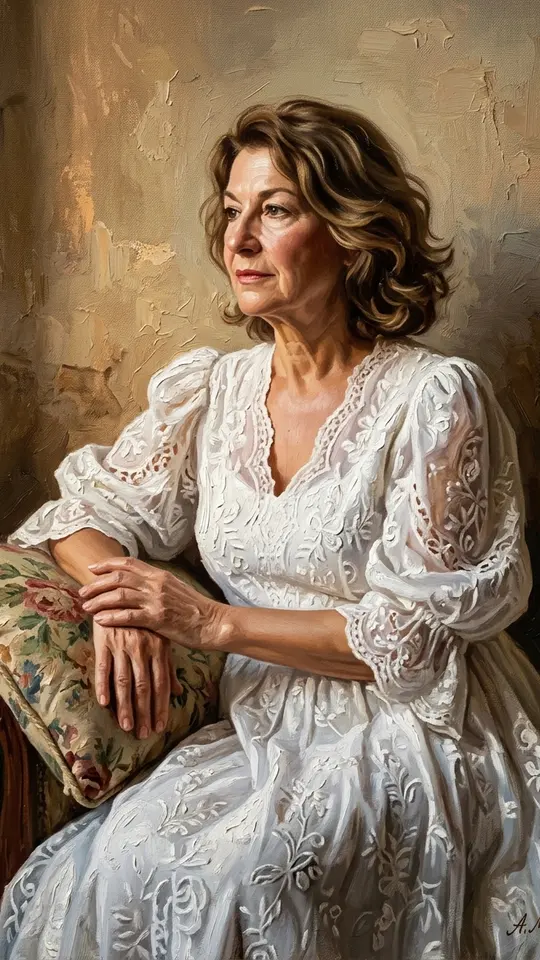
Anime, oil paint, charcoal, paper cutout: in these jobs the source photo is a starting point, and what counts is whether the manner reads at a glance. Seedream 4.5 and the original Nano Banana are the low-cost picks, so trying several looks barely dents the balance. Once a direction works, rerun the same prompt on a stronger model.
Resolution moves the star count
The resolution tier (1K, 2K or 4K) changes what a run costs, often more than the choice of model. 1K is plenty for a social post or a profile picture; the gap shows when you print or zoom in far. Paying for 4K makes sense when the image is headed for a large format. The exact number of stars appears next to each option before you start.
The same split in the templates below
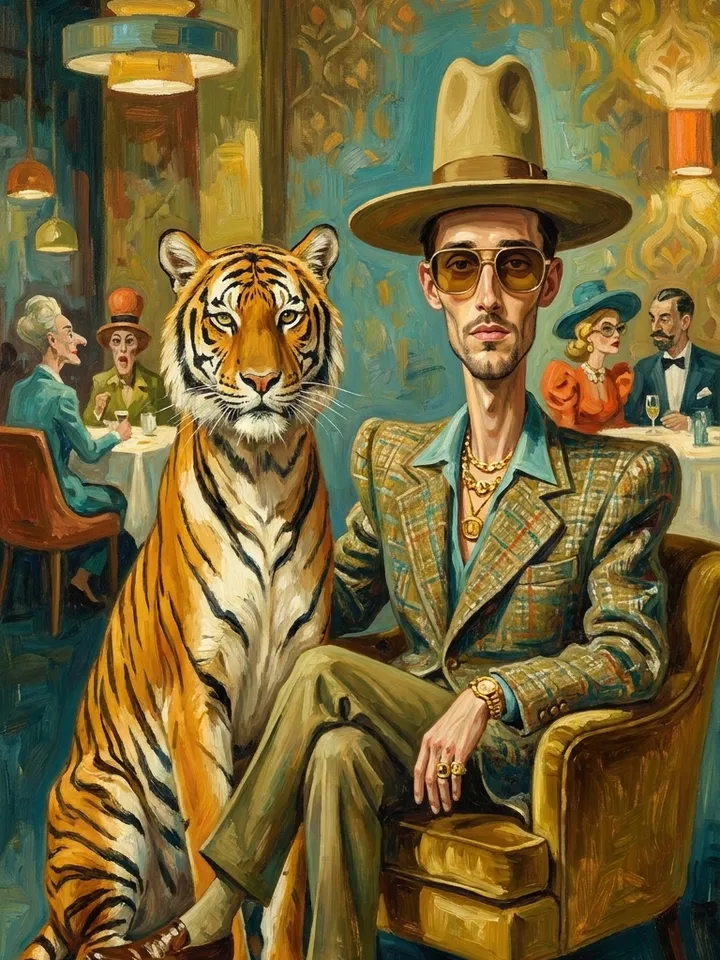
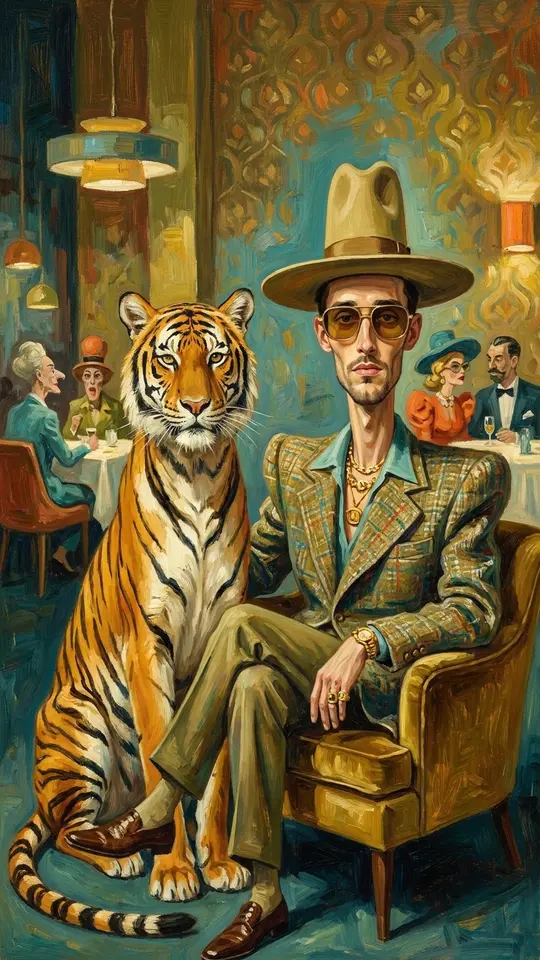
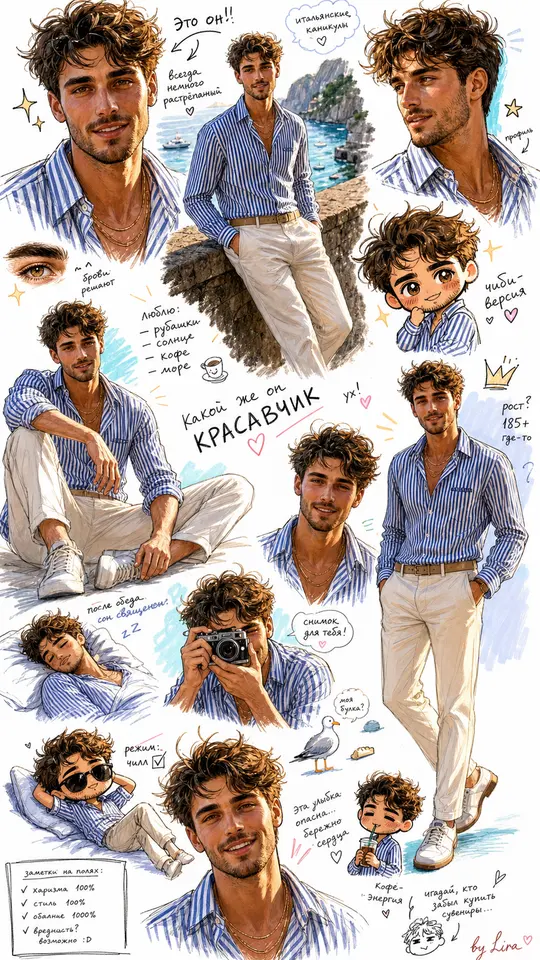
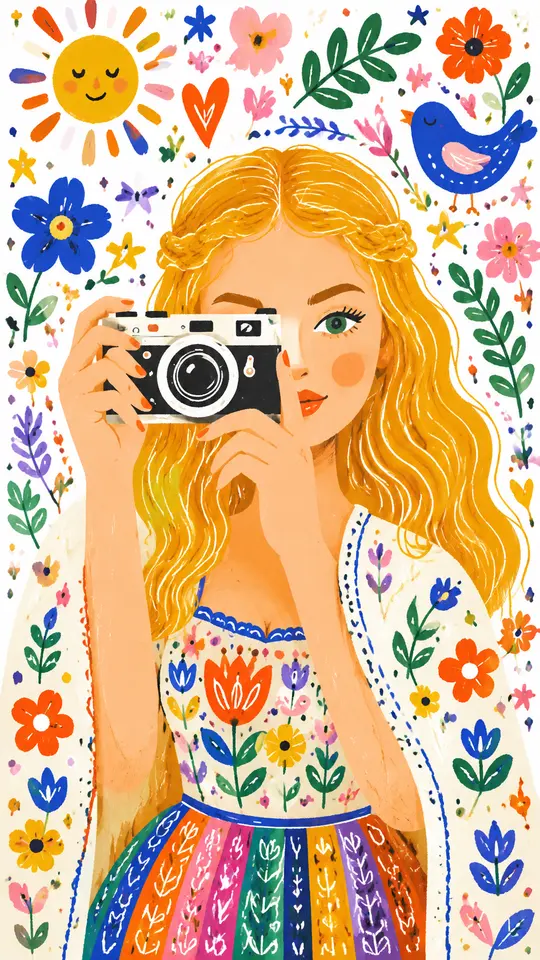
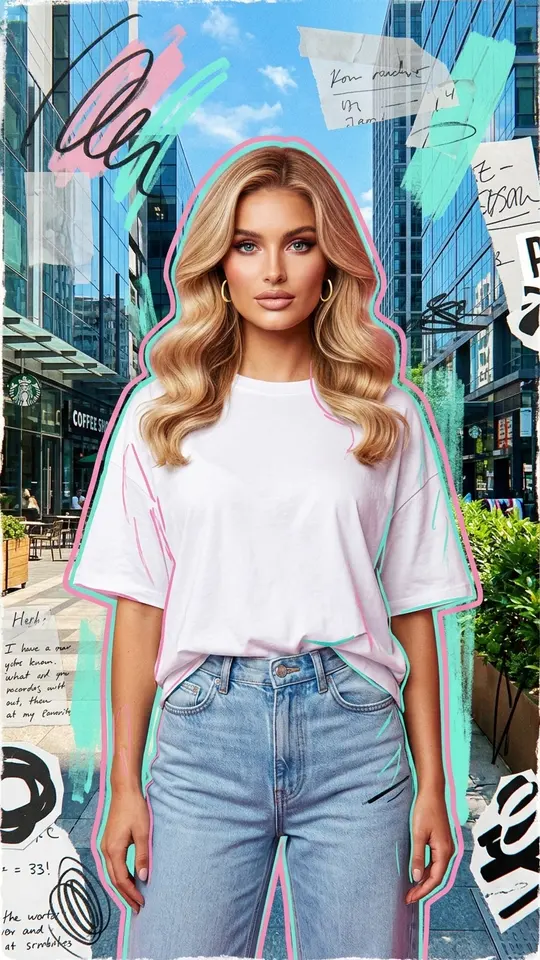
Illustrator's Sketchbook Page and Whimsical Folk Illustration are GPT Image 2.5 templates: one fills a white page with full figures, faces and chibi doodles, the other flattens a photo into bright folk shapes. Surreal Tiger Oil Portrait uses NanoBanana PRO to keep a photorealistic face inside an illustrated restaurant scene with a tiger.
Ready-made templates
FAQ
Which AI image generator is best overall?
None of the five wins every job. For a careful edit of your own photo start with the NanoBanana line, for a scene with many objects and short text reach for GPT Image 2.5, and for quick style tests pick a low-cost model: the original Nano Banana for most looks, Seedream 4.5 when you want bolder color.
Nano Banana vs GPT Image: which should I choose?
Decide by what you upload. When the picture already exists and only one thing should change, the Nano Banana line keeps the rest of the frame closer to the original. When you assemble a scene from several parts or need a headline inside the image, start with GPT Image 2.5 instead.
Can I compare the models without paying?
A small test is possible. After you sign up and verify your email, your balance starts at five stars, which covers several runs on the lower-cost models. A few templates marked Free today also cost nothing, within a daily cap. When the balance runs dry, top it up with a subscription or a star pack from Pricing.
How is generating from scratch different from editing a file?
From text alone, the model invents everything you left unsaid, so each run looks new. With a photo attached, it must keep what is already in the frame and change only what your prompt describes. That is why edit models and scene models are judged by different standards.
What should I make if I have no idea yet?
Open the catalog of over 1,000 templates. Each one already holds a tested prompt and a sample result, so swapping a single detail is easier than writing a prompt from nothing, and you see what a model does before spending stars on your own idea.